Nutrition
High-Protein Meals for Athletes: What a Real Training Week Looks Like
High-protein meals for athletes are less about one big number and more about a steady rhythm of real meals. Here is how much protein you need, when to eat it, and what a training week looks like on the plate.

Key Takeaways
- High-protein meals for athletes are less about one big number and more about a steady rhythm of real meals
- Here is how much protein you need, when to eat it, and what a training week looks like on the plate
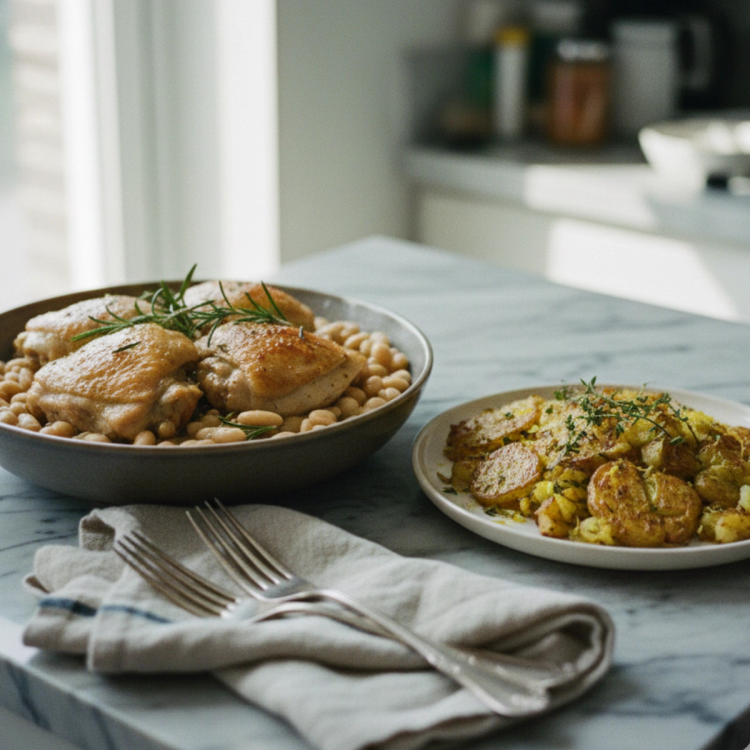
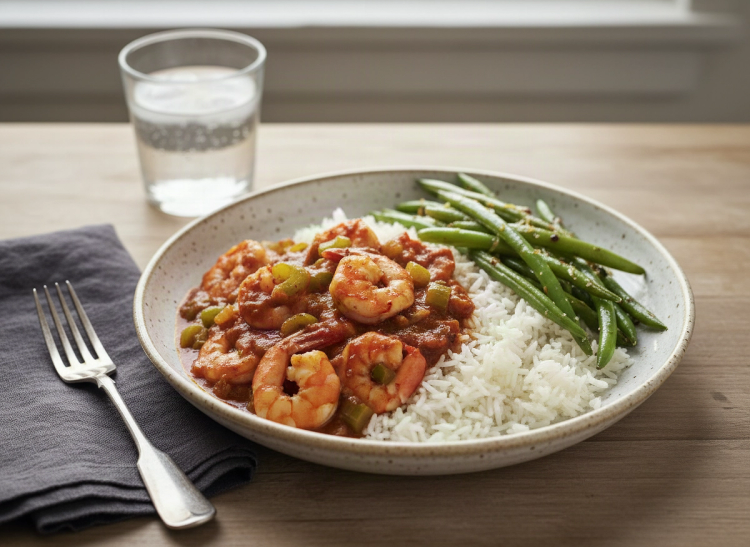
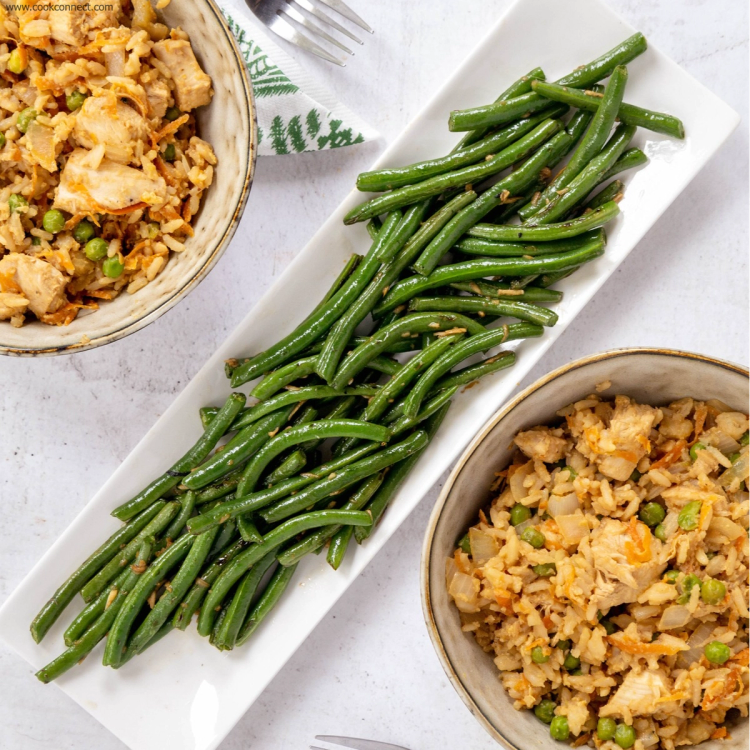
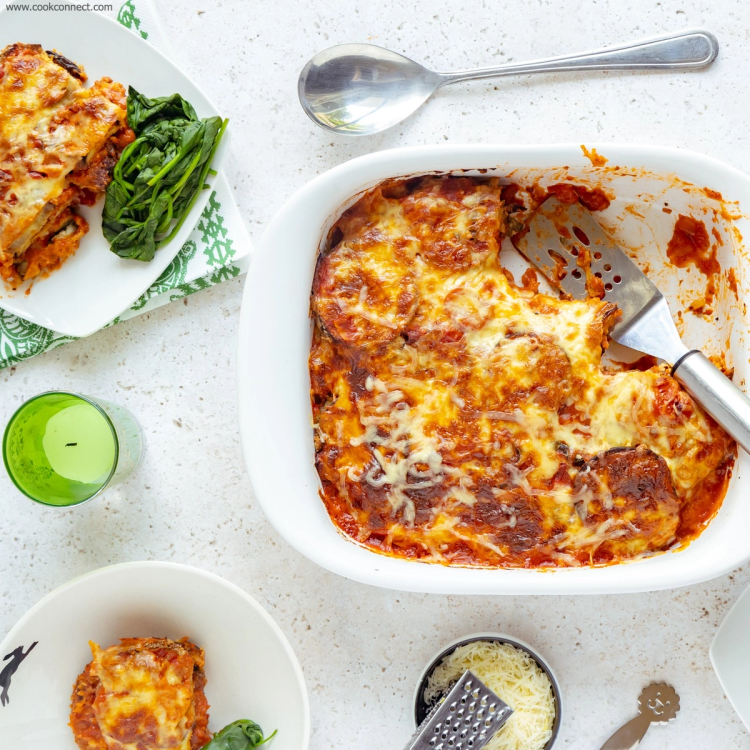
If you train most days, you already know protein matters. What gets lost is the practical part. How much, how often, and what that looks like on a Tuesday night when you got home at 7:30 and you are starving. High-protein meals for athletes are less about one big number and more about a steady rhythm of real meals you actually want to eat.
How much protein athletes actually need
The adult RDA is 0.8 grams of protein per kilogram of body weight per day. That number is built to prevent deficiency in sedentary adults, not to support hard training. The joint position statement from the American College of Sports Medicine, the Academy of Nutrition and Dietetics, and Dietitians of Canada puts most athletes at about 1.2 to 2.0 grams per kilogram per day. The International Society of Sports Nutrition lands in a similar place, at 1.4 to 2.0.
For a 165 lb athlete, that is roughly 105 to 150 grams a day. Where you land depends on training volume, goals, and total calories. Heavy strength blocks and a calorie deficit sit toward the top. Lighter weeks sit lower. If you have kidney disease or another medical condition, talk with your doctor or a registered dietitian before raising your protein.
20 to 40 g
of protein per meal, spread across the day, is the range sports nutrition guidance points to for supporting muscle repair.
International Society of Sports Nutrition position stand on protein and exercise
Spread it out instead of stacking dinner
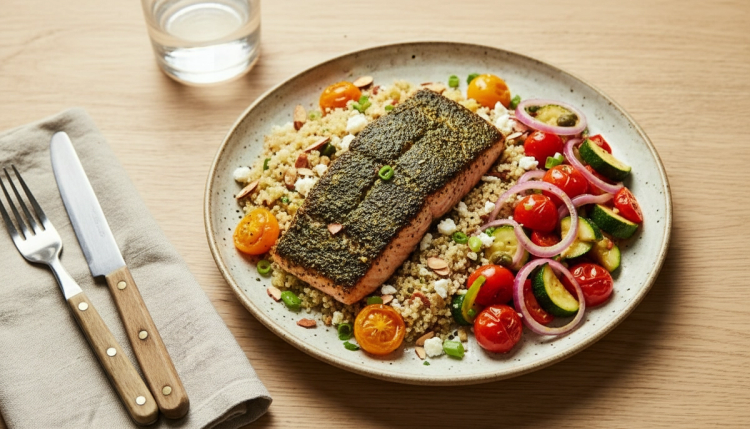
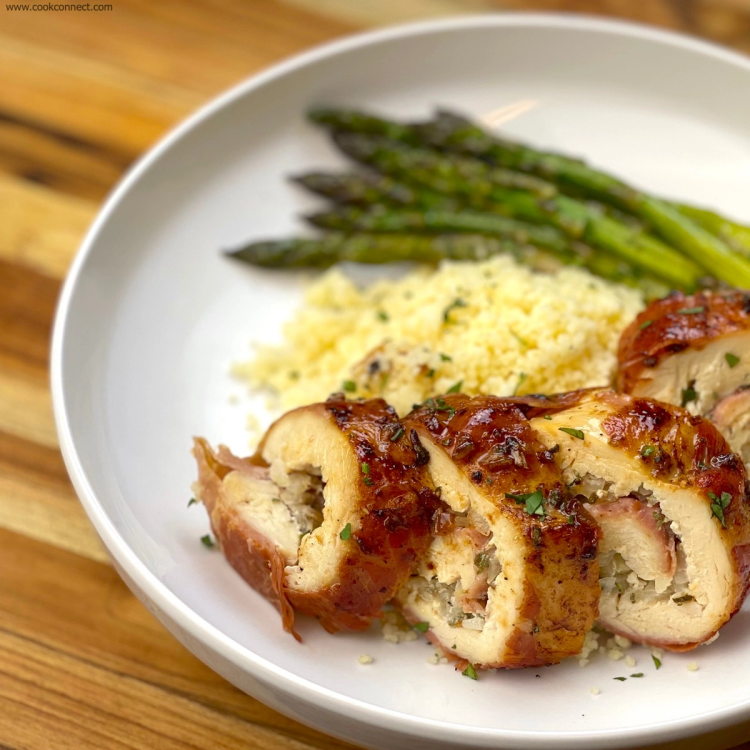
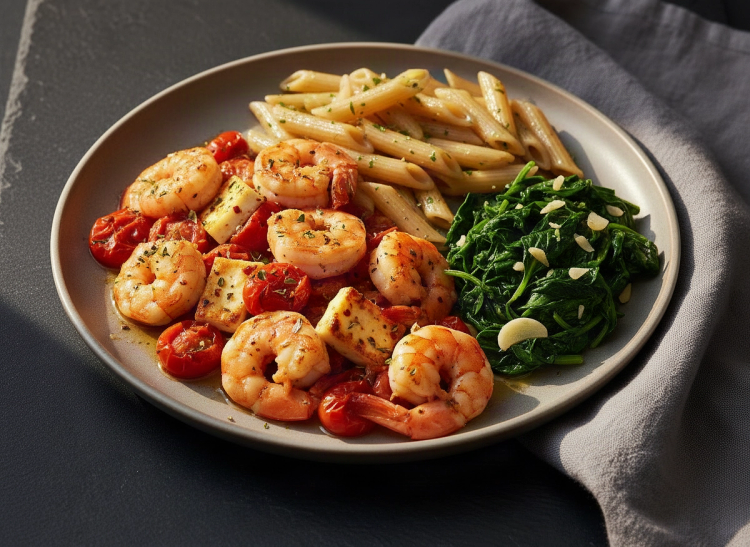
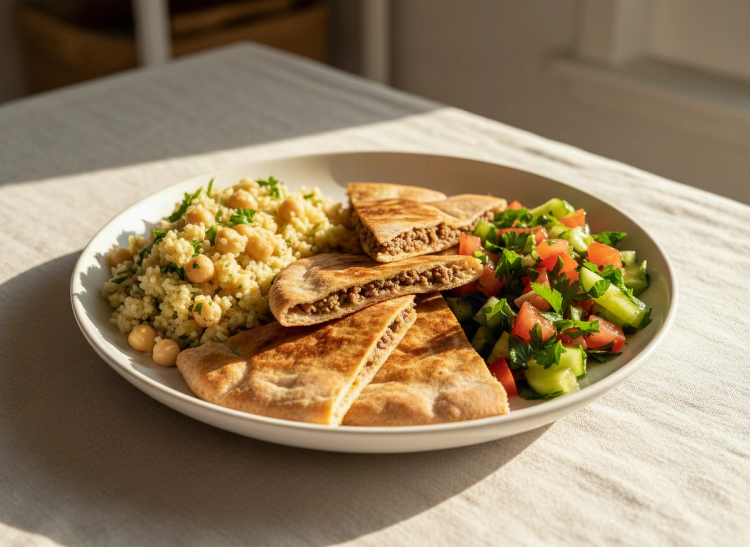
Many athletes eat light at breakfast and lunch, then make up for it at dinner. Research favors spreading protein more evenly. The ISSN position stand suggests about 0.25 to 0.4 grams per kilogram per meal, every three to four hours, which works out to 20 to 40 grams for most people. That is a palm or two of chicken, fish, or tofu. Not a bodybuilder platter.
A protein-forward meal in the couple of hours after hard training helps recovery. Still, your total for the day matters more than hitting a perfect window.