Nutrition
The 10 Biggest Myths About Protein, Debunked by Actual Science
Protein comes with more bad advice than almost any other nutrient. We tested ten common myths, about muscle limits, kidney damage, plant protein, and cost, against the actual evidence to see what holds up.

Key Takeaways
- Protein comes with more bad advice than almost any other nutrient
- We tested ten common myths, about muscle limits, kidney damage, plant protein, and cost, against the actual evidence to see what holds up
Protein has more myths attached to it than almost any other nutrient. Some come from the fitness industry, some from marketing, and some are just outdated advice that never got corrected. We tested ten of the most common ones against the actual evidence. Here's what holds up and what doesn't.
How Much Protein Your Body Actually Uses
More protein doesn't automatically mean more muscle. Your body can only put about 30 to 40 grams of protein per meal toward building muscle. Eat 200 grams in one sitting and you don't get extra credit, the rest gets burned for energy or stored. Spreading protein across your meals matters just as much as your daily total.
You also don't need a shake the second you finish a workout. The window for protein to help muscle repair is real, but it's wider than the fitness industry lets on, more like two to four hours after you train. A real meal with enough protein does the same job as a shake, sometimes better. Shakes are convenient. They're not a requirement.
Where Your Protein Should Actually Come From
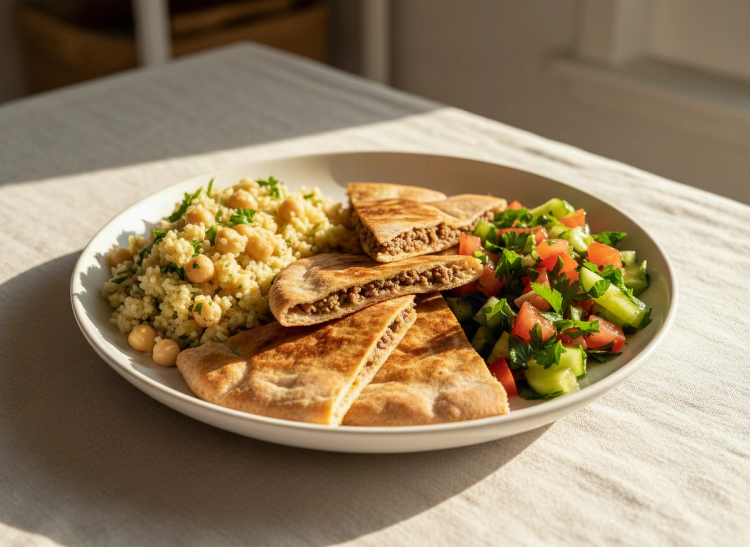
Plant protein isn't inferior, it just needs more thought. Animal proteins carry all the essential amino acids on their own. Most plant proteins don't, unless you pair them: beans with rice, hummus with pita, lentils with a whole grain. Do that and you get a complete amino acid profile. Hitting a high protein target on a plant based diet takes more planning, not more sacrifice.
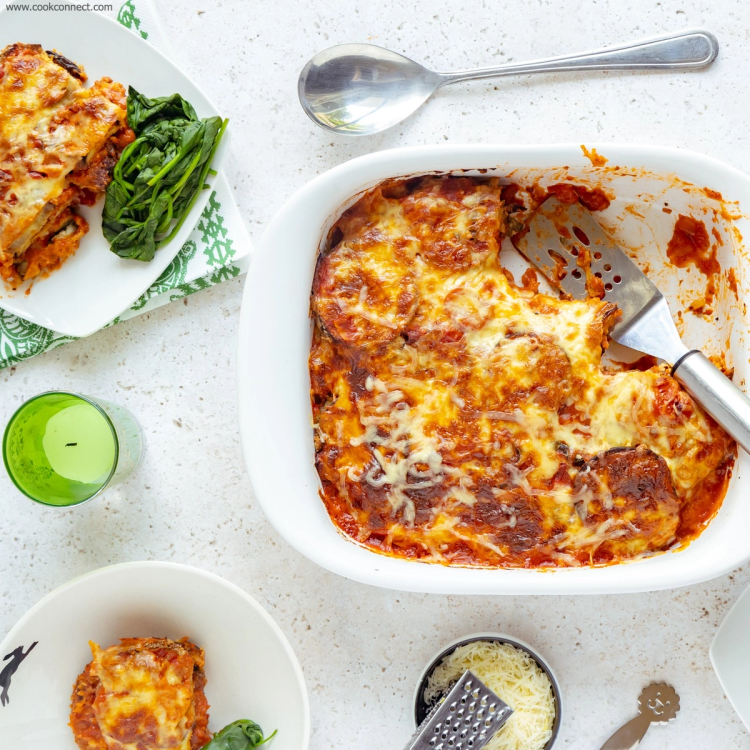
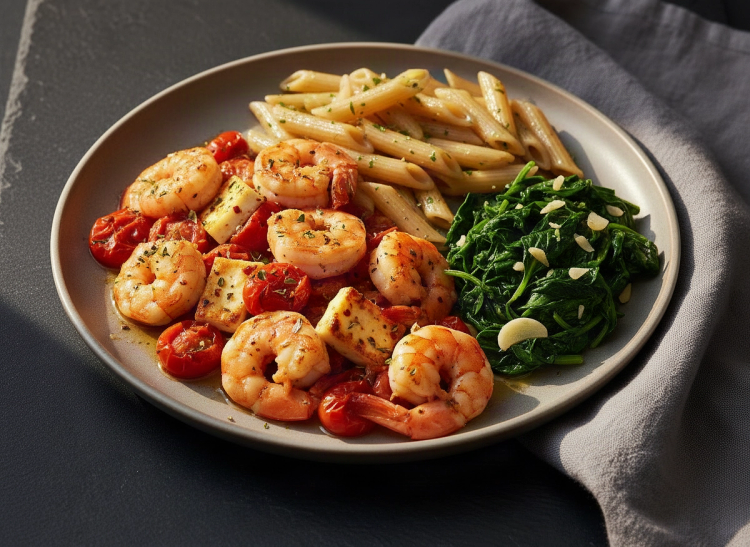
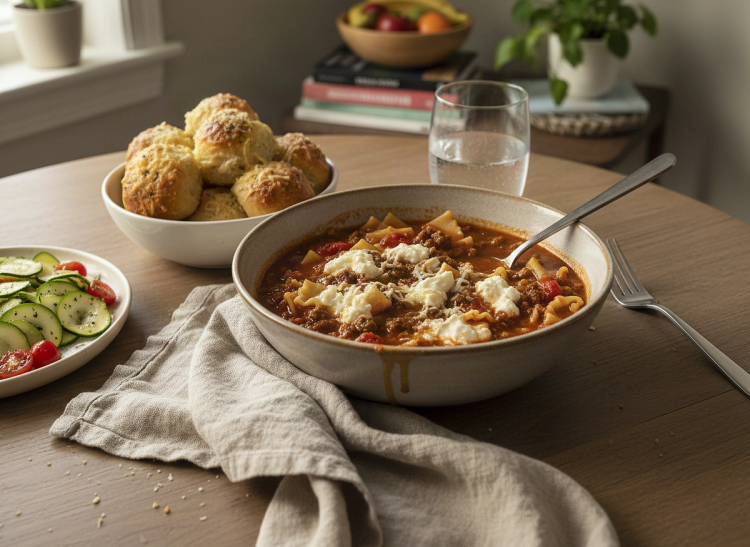
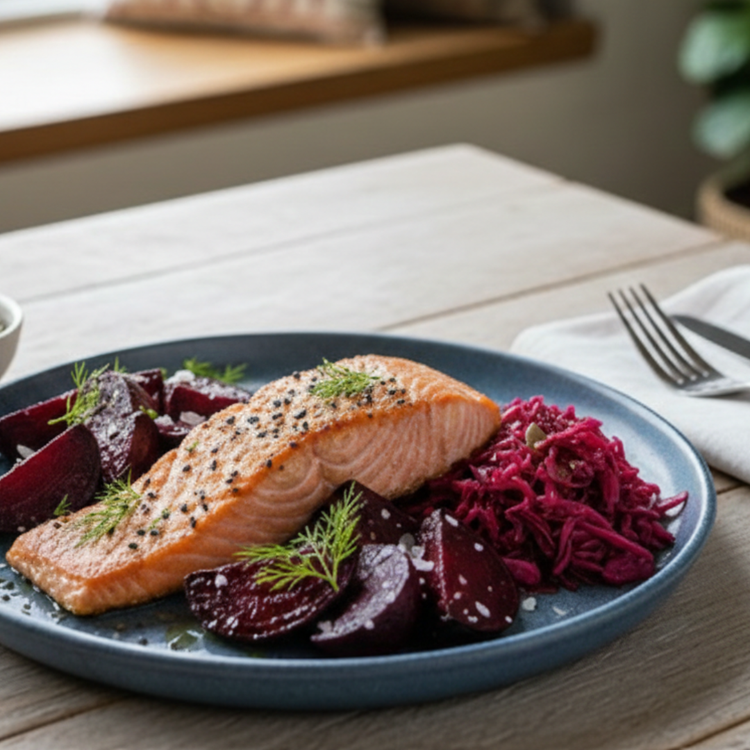
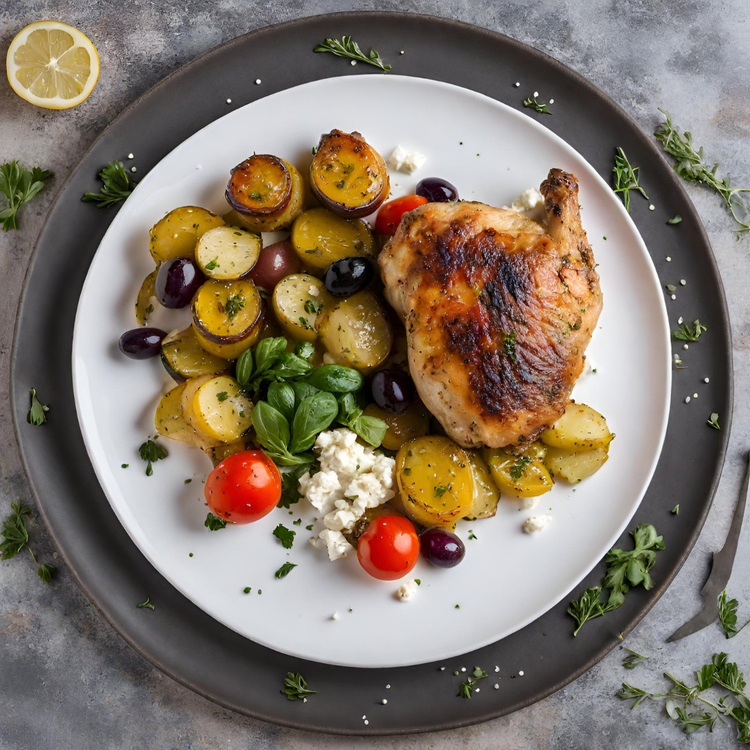
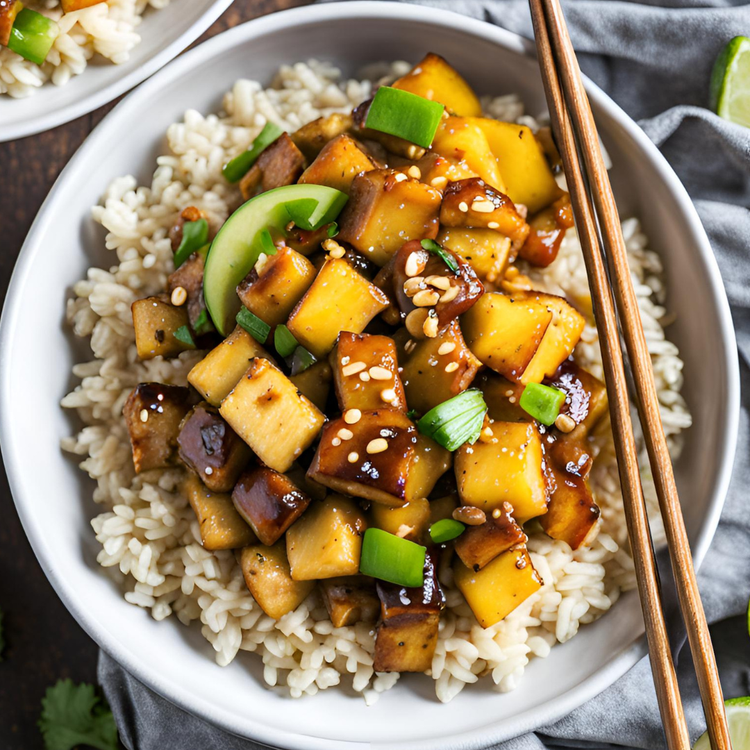
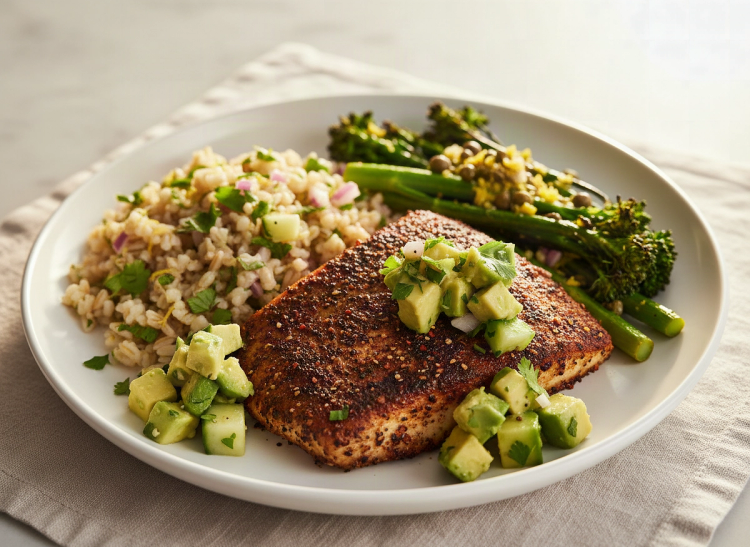
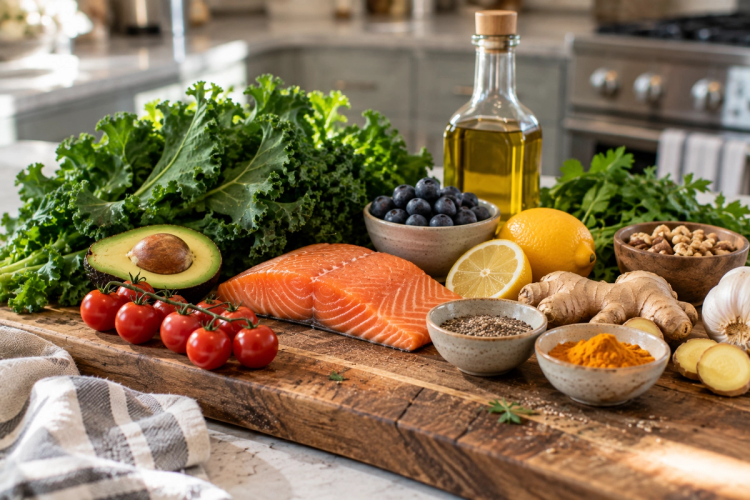
Chicken breast earned its reputation, but it's not the only protein worth cooking. Salmon, beef, shrimp, eggs, Greek yogurt, cottage cheese, lentils, and tofu all bring real protein along with nutrients chicken doesn't have. Rotating your sources is linked to better overall nutrition and a healthier gut, not just less boredom at dinner.
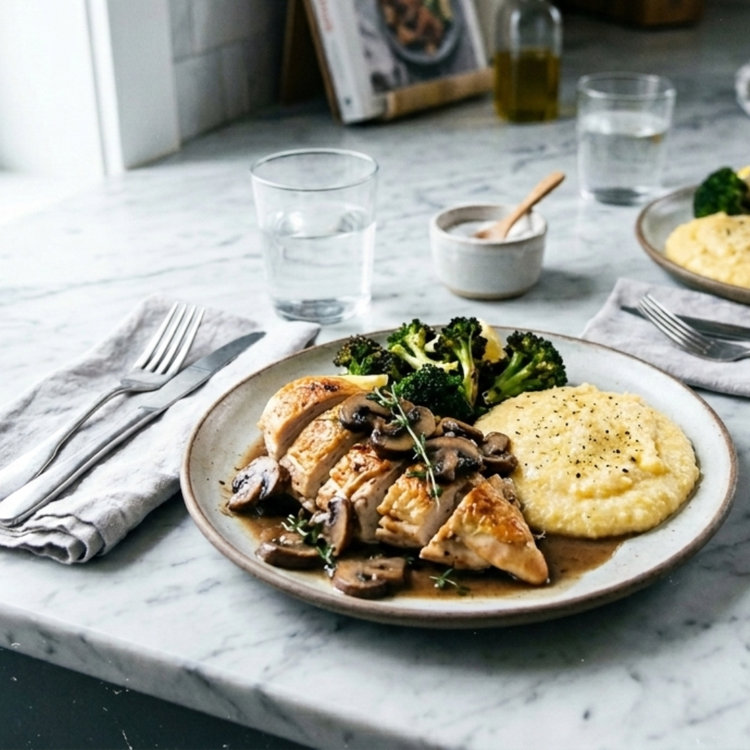
Protein Sources Worth Rotating Through Your Week
Is High Protein Eating Actually Safe
High protein diets don't damage healthy kidneys. That concern is real if you already have kidney disease, but for people without it, long term studies haven't found evidence of harm. If your kidneys are healthy, eating 1.6 to 2.2 grams of protein per kilogram of body weight is considered safe.
Protein at night doesn't turn into fat because of the clock. Your total calories for the day drive fat gain or loss, not the hour you ate. Protein before bed can actually support muscle repair overnight and may help your body composition. A protein heavy dinner isn't a problem because it happened after 6pm.
And women don't need to go easy on protein. It matters just as much for women as it does for men: muscle, satiety, bone health, hormone production, metabolism. Women who strength train or are moving through perimenopause often need more protein, not less.
Want protein handled without the guesswork?
A Livin chef builds your meals around your protein targets, whatever those are, and cooks them in your kitchen.
Find my chefMaking High Protein Eating Realistic
Protein bars work as a backup, not a foundation. Most deliver 10 to 20 grams of protein alongside a long ingredient list and enough added sugar or sugar alcohols to upset your stomach. Whole foods bring protein plus the nutrients bars can't replace: omega-3s, iron, zinc, B12.
You also don't have to track every gram to hit your protein target. A simpler approach works for most people: a palm sized portion of protein at every meal, plus a protein rich snack when you're hungry. Build your meals around real protein, salmon, chicken, eggs, beef, legumes, and you're likely already clearing 100 grams a day without opening an app.
High protein eating doesn't require a bigger grocery budget either. Eggs are one of the cheapest proteins available, around 6 to 8 grams each for less than 30 cents. Canned salmon, lentils, cottage cheese, and ground beef all deliver serious protein without the price tag of steak or supplements. The idea that eating enough protein is expensive is a marketing story, not a fact about food.
Ready to hit your protein goals without tracking every bite?
Tell your chef your targets. They build the meals around them and cook in your kitchen.
Find my chef