Nutrition
The Delivery App Trap: Why Ordering In Isn't as Healthy as You Think
You open an app, food arrives at your door, and it feels like a solved problem. But the average delivery order packs 1,200 calories and more sodium than you'd expect. Here's what most people miss about ordering in.
Key Takeaways
- You open an app, food arrives at your door, and it feels like a solved problem
- But the average delivery order packs 1,200 calories and more sodium than you'd expect
- Here's what most people miss about ordering in
You open an app, tap a few times, and 40 minutes later a meal appears at your door. It feels like a solved problem. But if you have ever ordered a grilled chicken salad expecting clean, simple food and received something that left you bloated, salt-craving, and oddly unsatisfied, you have already encountered the ordering-in trap.
You Have No Idea What's Actually in It
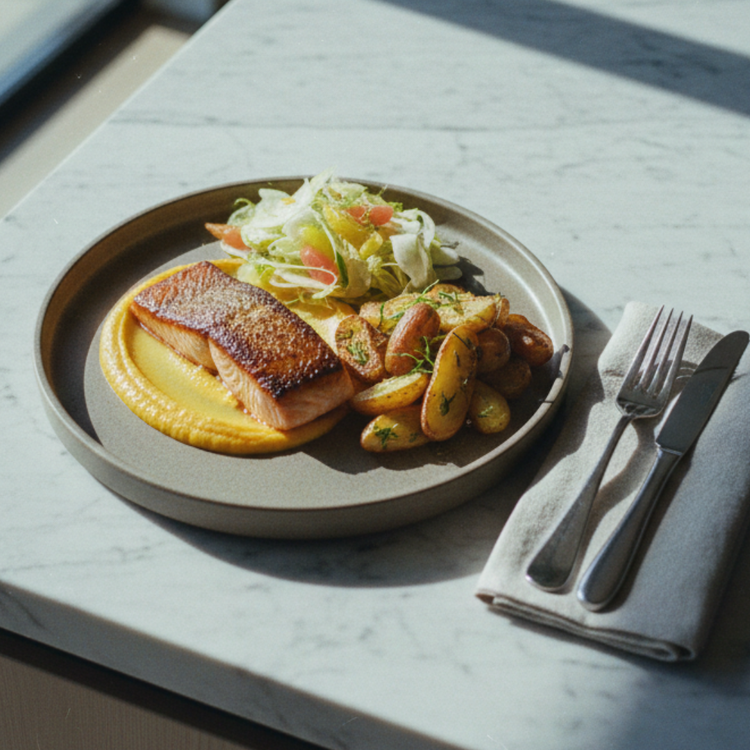
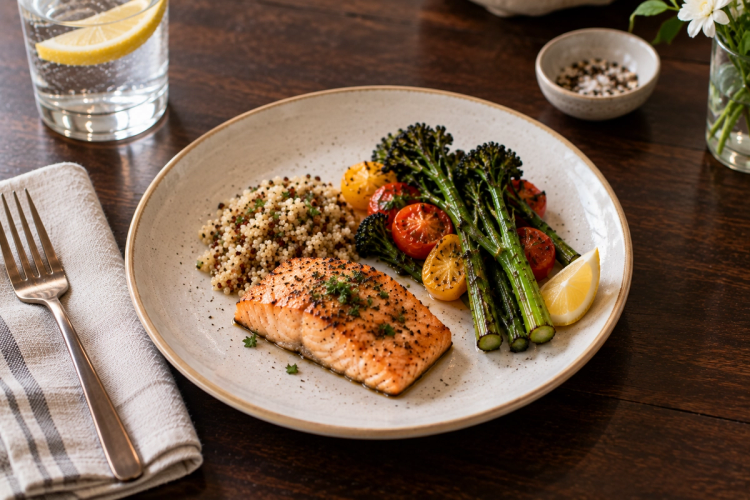
Restaurant menus describe dishes in broad strokes. "Grilled salmon with roasted vegetables" does not tell you that the salmon was cooked in soybean oil, the vegetables were tossed with a sauce containing four types of sugar, and the dish was seasoned with nearly 1,500mg of sodium. Restaurant meals average 1,200 calories per serving, significantly higher than home-prepared equivalents. Sodium levels routinely exceed 50 to 100 percent of daily recommended intake.
The takeaway
Restaurant meals average 1,200 calories per serving. Sodium levels routinely exceed 50 to 100 percent of daily recommended intake. Both figures are significantly higher than home-prepared equivalents.
Quality Control Is Not Your Priority. It's Theirs.
Commercial kitchens operate at scale. Sauces are made in enormous batches with cost efficiency as the primary driver. The cheapest oil that can withstand high-heat cooking gets used. The sauce that extends shelf life and tastes addictive gets deployed. There is nothing inherently malicious about this. It is simply how commercial food production works. But it means the meal that arrives at your door is optimized for their profitability, not your health.
The Delivery Journey Compounds the Problem
Beyond the kitchen itself, delivery introduces temperature fluctuation, steam condensation, and time delay. Food that was acceptable when packaged can degrade significantly during a 30 to 45 minute delivery window. Proteins continue cooking in their own heat. Vegetables lose their texture. Sauces break or congeal. What arrives is rarely as good as what was prepared.