Nutrition
Mediterranean Diet Meal Delivery: What Actually Counts as Mediterranean
Mediterranean diet meal delivery often means a feta garnish and a drizzle of olive oil. Here is what the eating pattern actually includes, where services miss it, and what to ask before you order.
Key Takeaways
- Mediterranean diet meal delivery often means a feta garnish and a drizzle of olive oil
- Here is what the eating pattern actually includes, where services miss it, and what to ask before you order
Mediterranean diet meal delivery is a crowded search result, and most of it leans on a few signals: olives, feta, a lemon wedge. The Mediterranean eating pattern is much broader than a garnish, and a meal can carry the label while missing most of what the pattern is built on.
Here is what the pattern actually includes, where prepared meals tend to fall short, and what to ask before you order from anyone.
What the Mediterranean diet actually is
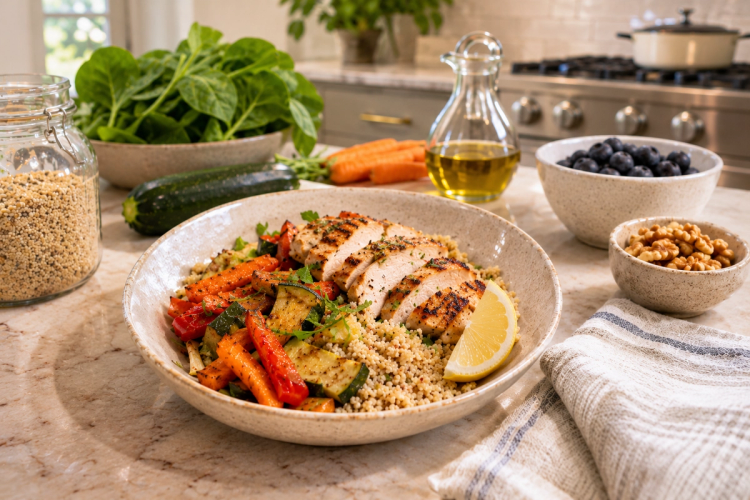
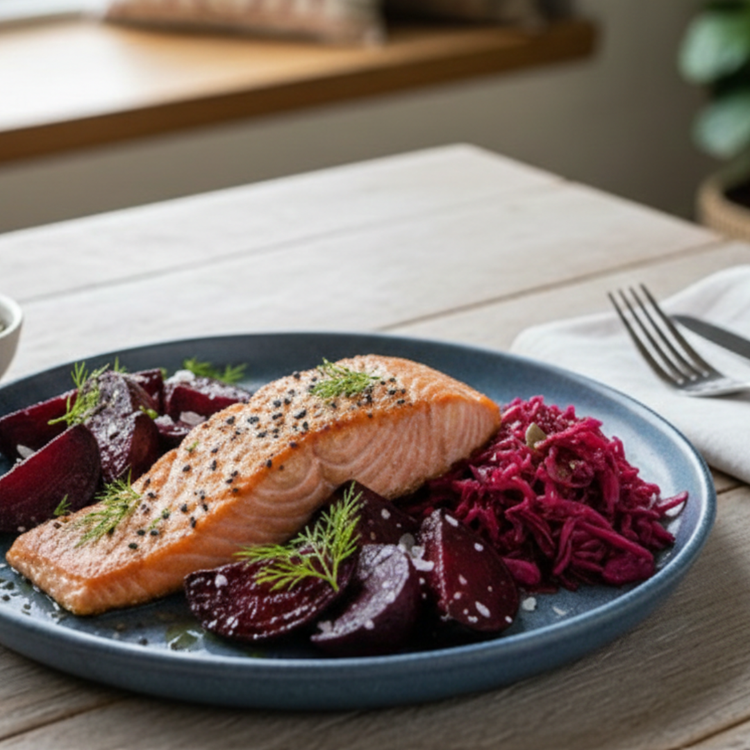
It is an eating pattern, not a list of recipes. It is based on the traditional foods of countries around the Mediterranean Sea: vegetables, fruit, whole grains, beans and lentils, nuts, seeds, and olive oil as the main fat. Fish and seafood show up regularly, poultry and dairy in moderate amounts, and red meat and sweets only occasionally.
The American Heart Association and the Dietary Guidelines for Americans both describe Mediterranean-style eating as a healthy pattern, and Mayo Clinic lays out the same basics: plants first, olive oil instead of butter, herbs and spices instead of heavy salt, and fish at least a couple of times a week.
About 30%
Lower rate of major cardiovascular events among people assigned to a Mediterranean diet supplemented with extra-virgin olive oil or nuts, compared with a control diet, in the PREDIMED trial. This was a large trial of adults at high cardiovascular risk, and results may not apply to everyone.
New England Journal of Medicine, 2018
Where prepared meals tend to miss
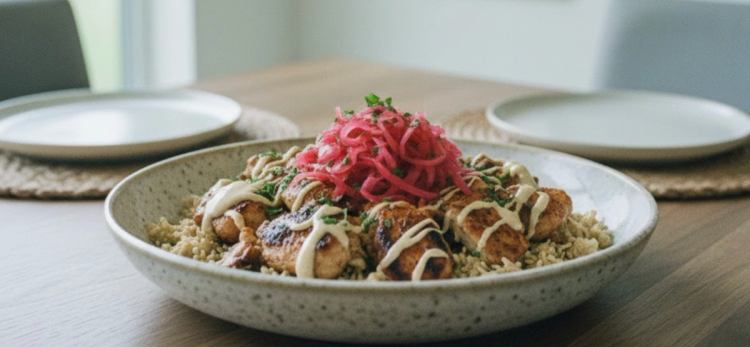
A dish can be called Mediterranean because of its seasoning and still sit far from the pattern. A cream sauce with sun-dried tomatoes, a large portion of white pasta, or a gyro-style bowl built around processed meat and a heavy dressing borrows the flavors without the structure.
Two gaps come up often. The first is sodium: ready-made meals that have to hold up in transit are often salted heavily, and the Mediterranean approach leans on herbs, citrus, and olive oil for flavor instead. The second is the proportions. The pattern is mostly plants, with fish and legumes doing much of the protein work, and many delivered menus are built around a large portion of meat with a small side of vegetables.