Nutrition
Low-FODMAP Meal Delivery: What to Ask Before You Order
Low-FODMAP meal delivery sounds simple until you read the ingredient list. Here is what the diet actually involves, where labels fall short, and the questions worth asking any meal service.
Key Takeaways
- Low-FODMAP meal delivery sounds simple until you read the ingredient list
- Here is what the diet actually involves, where labels fall short, and the questions worth asking any meal service
Low-FODMAP meal delivery is harder to find than it looks. The diet asks you to limit specific carbohydrates that can set off symptoms for people with irritable bowel syndrome (IBS), and some of the biggest triggers, garlic and onion, sit in the base of almost every sauce, stock, and seasoning blend a meal service uses.
Here is what the diet involves, why a "gut-friendly" label doesn't settle the question, and what to ask before you order from anyone.
What low-FODMAP actually means
FODMAP stands for fermentable oligosaccharides, disaccharides, monosaccharides, and polyols. In plain terms, they are short-chain carbohydrates that the small intestine absorbs poorly. They draw water into the gut and get fermented by gut bacteria, which can cause gas, bloating, pain, and changes in bowel habits in people who are sensitive to them.
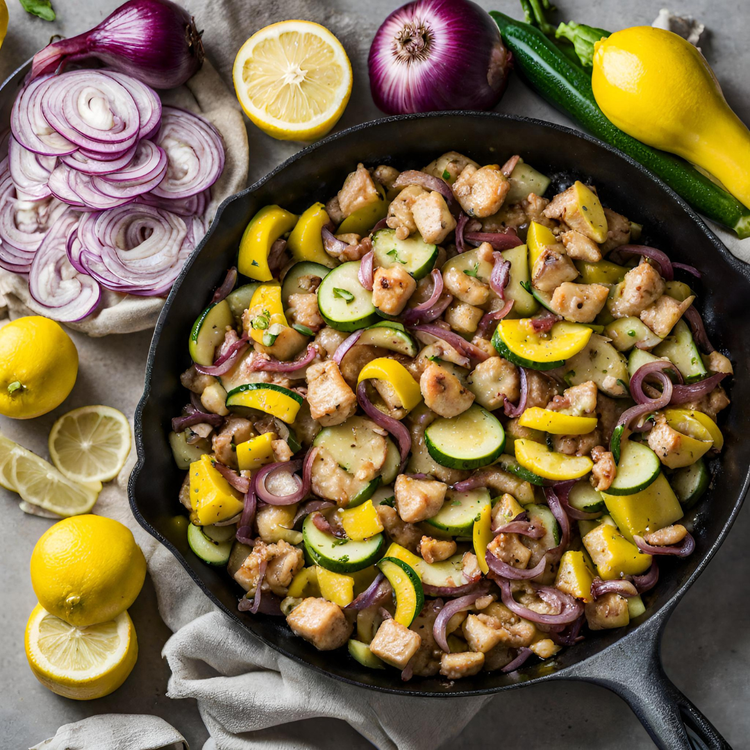
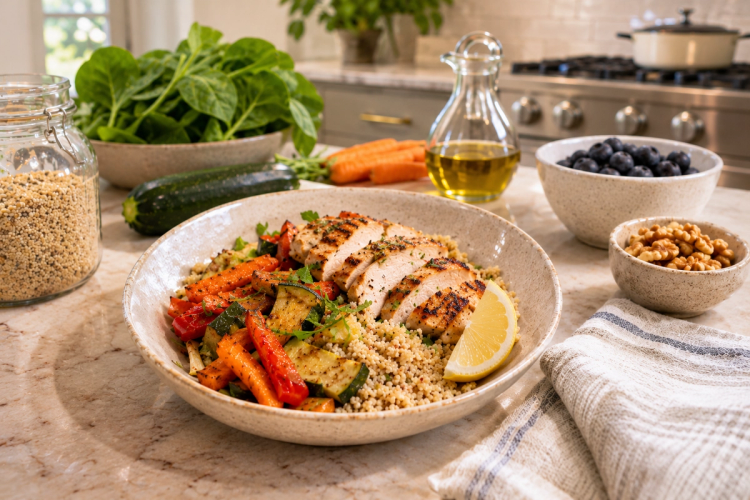
The diet was developed at Monash University in Australia. Common high-FODMAP foods include garlic, onion, wheat, certain beans and lentils, apples, pears, honey, and some dairy. Many everyday foods are fine, including eggs, most plain meats and fish, rice, potatoes, carrots, zucchini, and firm tofu.
Tip
Low-FODMAP is not meant to be a forever diet. It is usually done in three phases: a short elimination period, a step-by-step reintroduction, and then a personalized long-term plan. Most guidance suggests working through it with a registered dietitian.
Why a gut-friendly label doesn't settle it
There is no standard, regulated meaning for "gut-friendly," "digestive health," or "IBS-friendly" on a meal box. A dish can be high in fiber, plant-based, and genuinely nutritious and still be loaded with onion, garlic, chickpeas, or cauliflower, all high-FODMAP.
The hidden ones are the real trap. Stocks, spice blends, marinades, dressings, and sauces often contain onion or garlic powder, and ingredient lists don't always spell out what is inside a seasoning mix. In a meal that is cooked once and portioned for many customers, there is usually no room to leave them out for one person.