Nutrition
Diabetic-Friendly Meal Delivery: What Actually Belongs on the Plate
Diabetic-friendly meal delivery should mean balanced carbs and real fiber, not sad, beige plates. Here's what actually belongs on the plate, and where a personal chef fits into managing blood sugar well.

Key Takeaways
- Diabetic-friendly meal delivery should mean balanced carbs and real fiber, not sad, beige plates
- Here's what actually belongs on the plate, and where a personal chef fits into managing blood sugar well
Search "diabetic-friendly meal delivery" and most of what comes back looks the same: a beige piece of chicken, a scoop of brown rice, steamed broccoli gone gray in a microwave. Doctor-approved, maybe. Something you'd actually want to eat three times a week, rarely.
Managing blood sugar through food isn't about cutting carbs to zero or eating the same six meals on rotation. It's about a few real principles, consistent carbohydrate portions, fiber, and protein at every meal, then building actual meals around them instead of around a diet trend.
What "diabetic-friendly" actually means
The American Diabetes Association's current guidance isn't a low-carb mandate. It calls for an individualized eating pattern built around non-starchy vegetables, whole foods, and carbohydrates that still come with fiber attached, not carbs eliminated outright.
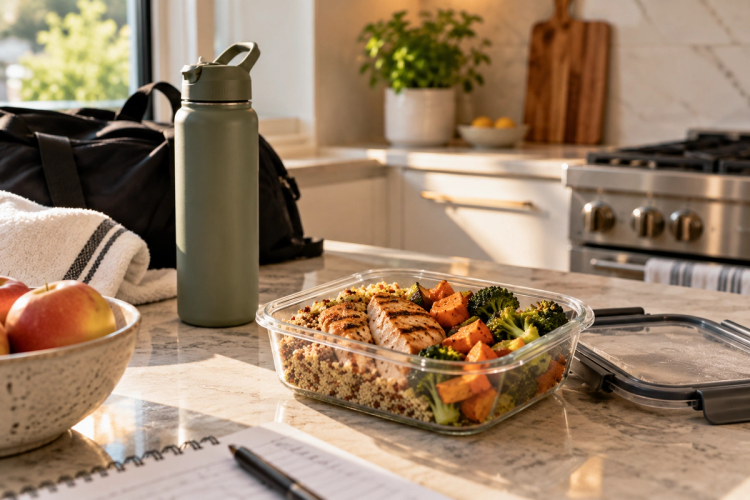
In practice, that usually means a plate with three parts: a lean protein, a serving of non-starchy vegetables taking up about half the plate, and a controlled portion of a fiber-rich carbohydrate like beans, lentils, or a modest serving of whole grain. The fiber is what slows how fast sugar hits the bloodstream, not what makes the meal smaller.
What a diabetic-friendly plate actually includes
- Protein at every meal
- A palm-sized portion of chicken, fish, or another lean protein slows digestion and helps blunt post-meal blood sugar spikes.
- Half the plate, non-starchy vegetables
- Broccoli, greens, peppers, and similar vegetables add volume, vitamins, and fiber without much effect on blood sugar.
- Fiber-forward carbs, not carb-free
- Beans, lentils, and whole grains digest more slowly than refined carbs, which helps blood sugar rise more gradually.
CDC, Diabetes Meal Planning
CDC Diabetes Plate Method
ADA Food & Nutrition guidance