Nutrition
How High-Performing Executives Actually Eat to Get Through the Day
What separates the executives who stay sharp at 4pm from the ones who crash isn't willpower, it's a system. Protein-first meals, steady hydration, and food that's ready before the next meeting, not a decision you have to make in the middle of one.

Key Takeaways
- What separates the executives who stay sharp at 4pm from the ones who crash isn't willpower, it's a system
- Protein-first meals, steady hydration, and food that's ready before the next meeting, not a decision you have to make in the middle of one
Back-to-back meetings from 9 to 5. A lunch that's either skipped or eaten in four bites between calls. A 4pm slump that gets treated with a fourth coffee instead of a fix. This is how most high-earning professionals eat, and it's costing them more than they realize.
The Real Cost of Eating Like It's an Afterthought
Your brain runs on glucose, and it's remarkably sensitive to how steady that supply is. Skip meals or run on coffee and carbs, and cognitive performance drops before you even notice it happening. Research on decision fatigue shows that judgment quality declines over the course of a day, and what and when you eat is one of the few levers you actually control. The executives who stay sharp through a 6pm negotiation aren't working harder. They're not running on empty by 3pm in the first place.
What the Highest Performers Actually Do Differently
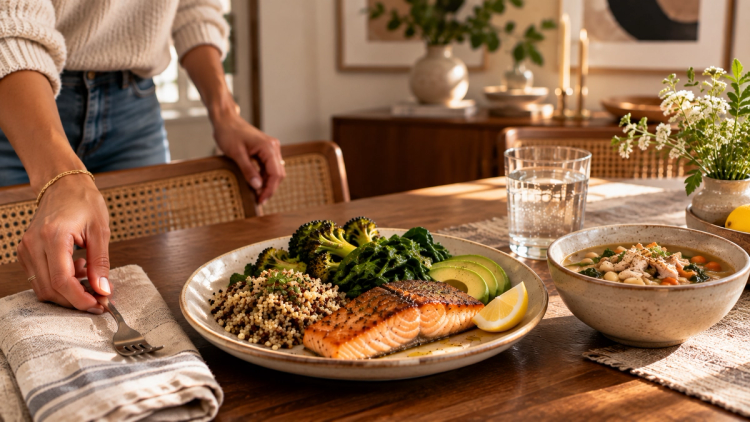
The pattern is simpler than most wellness advice makes it sound. Protein at breakfast, not just coffee, sets blood sugar up to stay steady for hours. Eating on a schedule, even a loose one, instead of whenever there's a gap, keeps energy from swinging wildly between meetings. Hydration gets tracked as seriously as anything else, since even mild dehydration measurably affects focus and reaction time. And caffeine gets used with intention: earlier in the day, paired with food, instead of as a replacement for a meal that never happened.
The Meeting-to-Meeting Problem
The honest obstacle isn't knowledge. Most executives already know what a good lunch looks like. The problem is a calendar with no real breaks, a kitchen that's stocked but never used, and a default of whatever's fastest: a protein bar, a client lunch built around what's easy to order, or nothing at all until dinner. That pattern repeated five days a week adds up to a body that's never actually running on what it needs.
Building a System So You Don't Have to Think About It
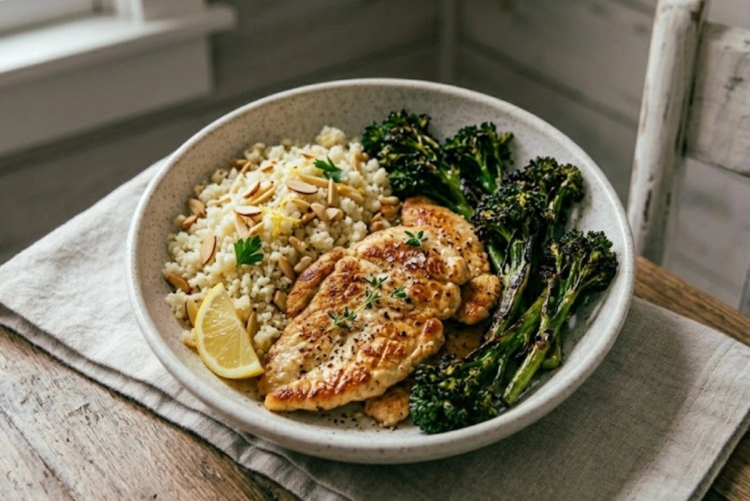
The fix isn't willpower. It's a system that doesn't depend on finding time to think about food during a day that has none to spare. That's the actual value of a personal chef for busy professionals: meals like a Chicken Paillard with vegetables already prepped, or a protein-forward Steak Bibimbap Bowl ready to grab between calls, mean the good decision is also the easiest one. You're not choosing between eating well and staying on schedule. The system removes the tradeoff entirely.