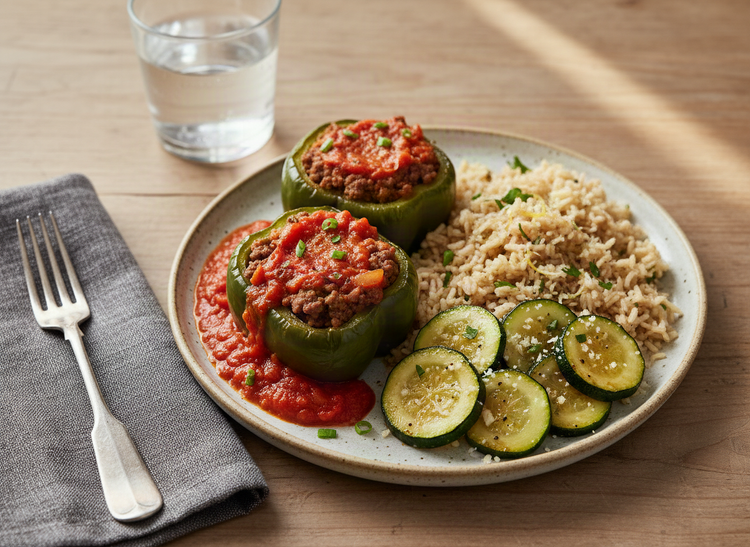
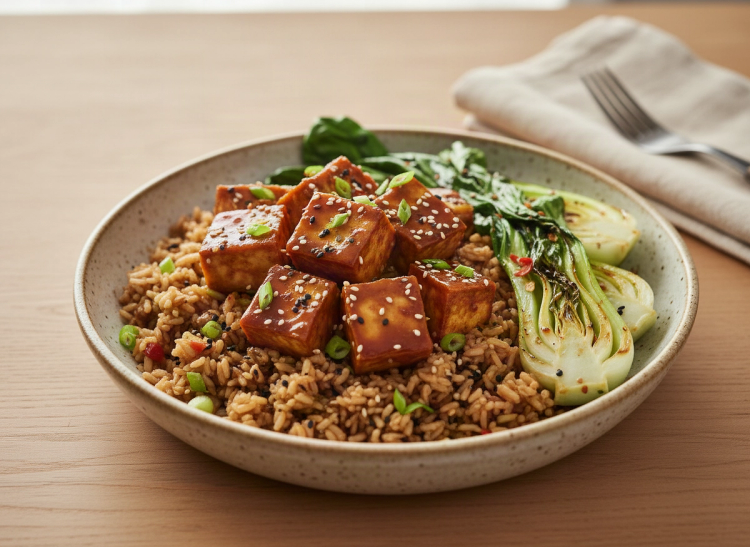
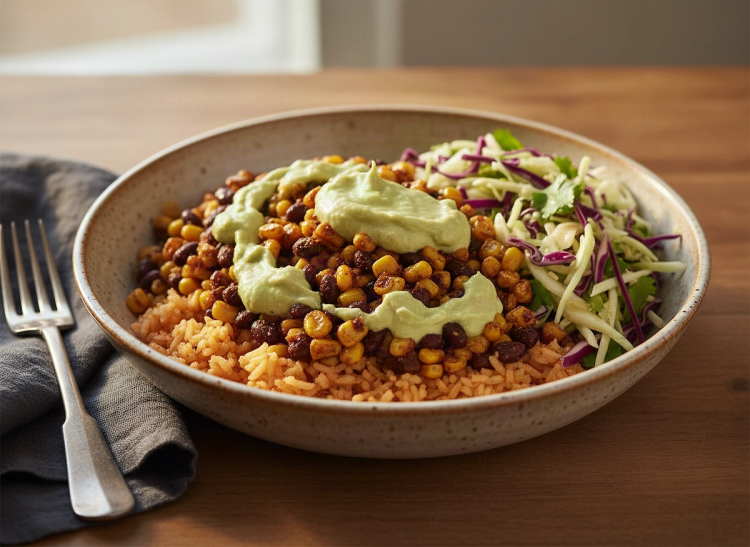
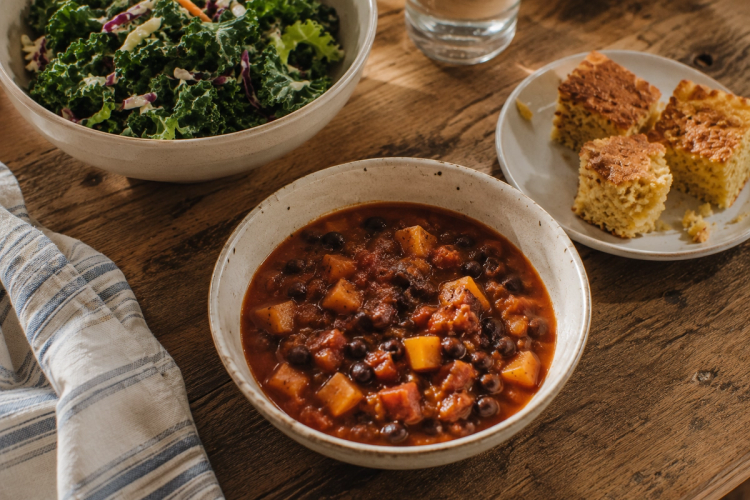
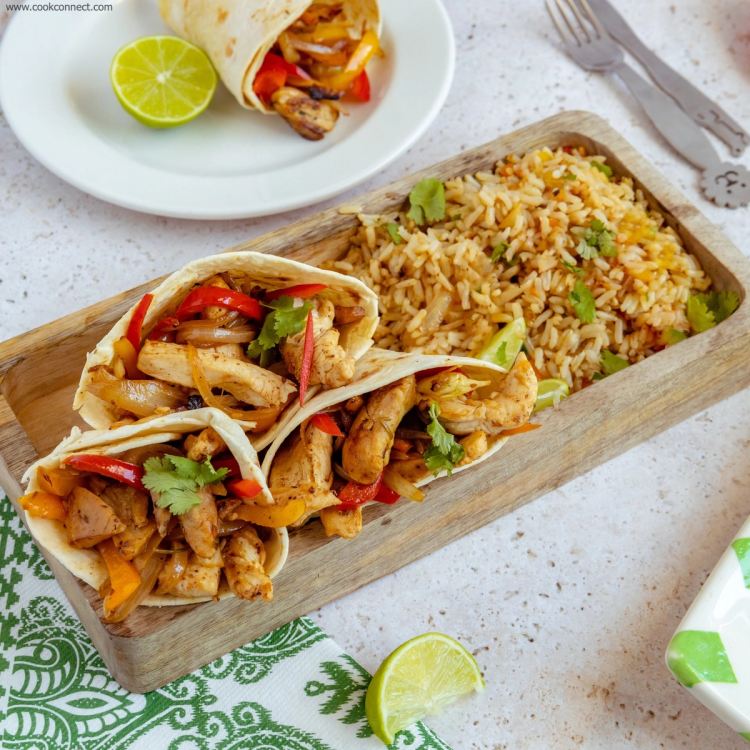
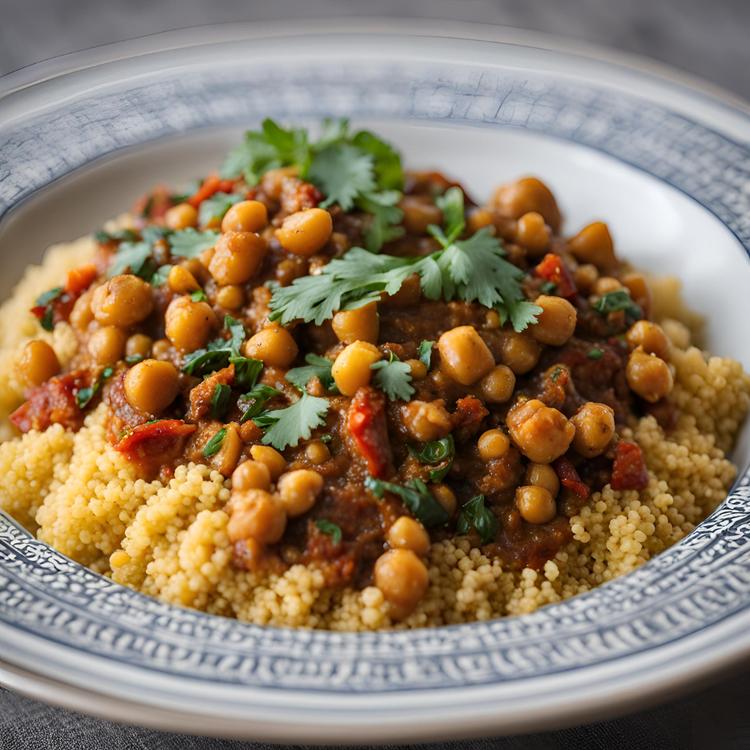
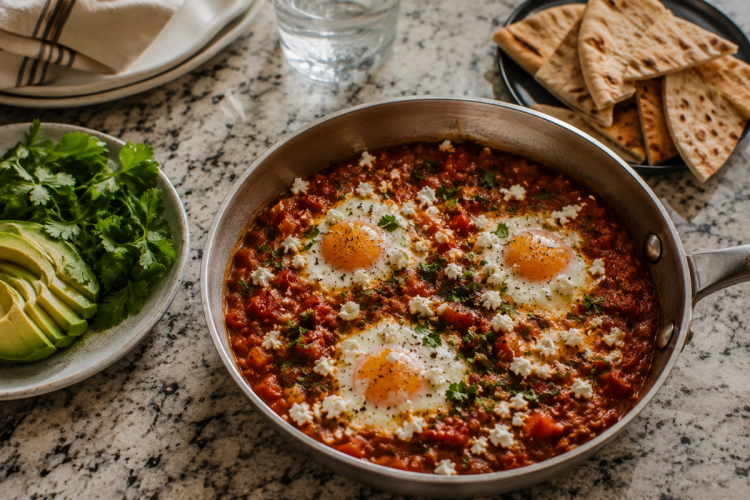
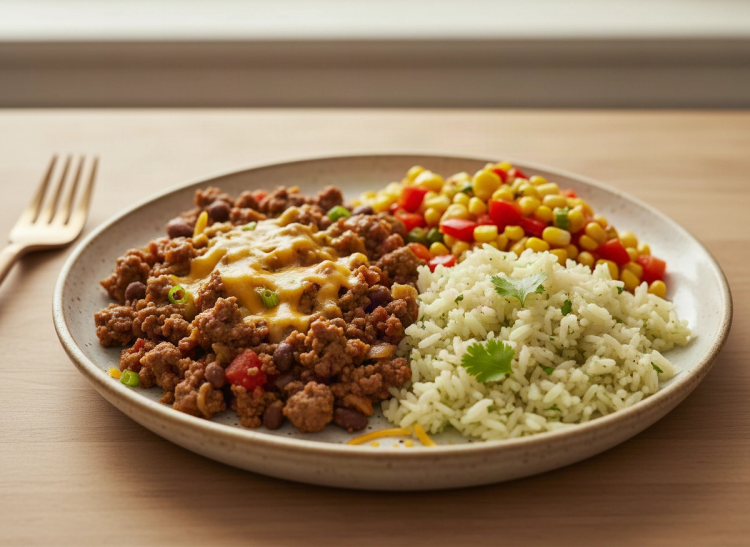
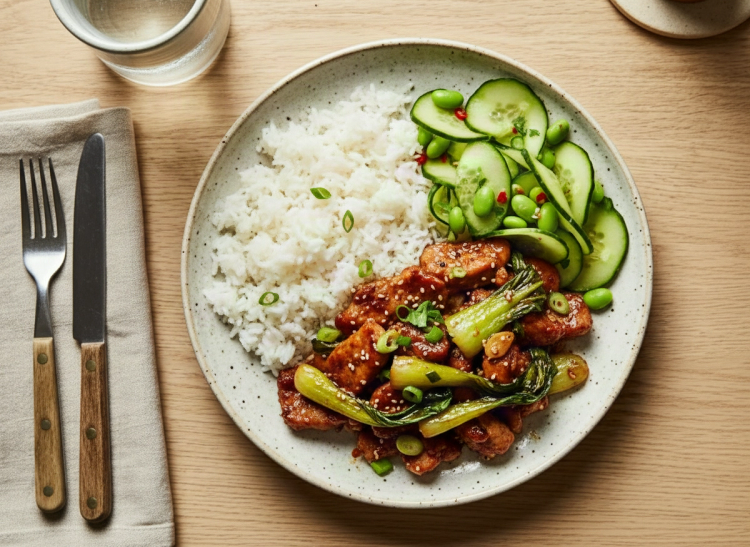
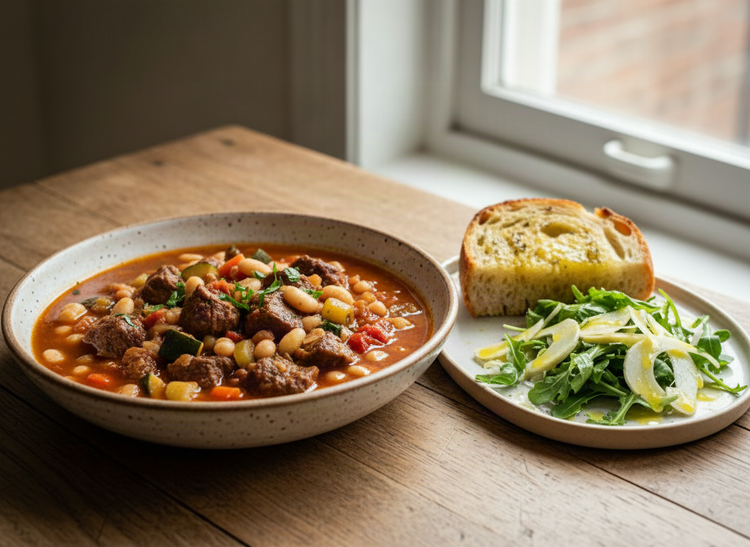
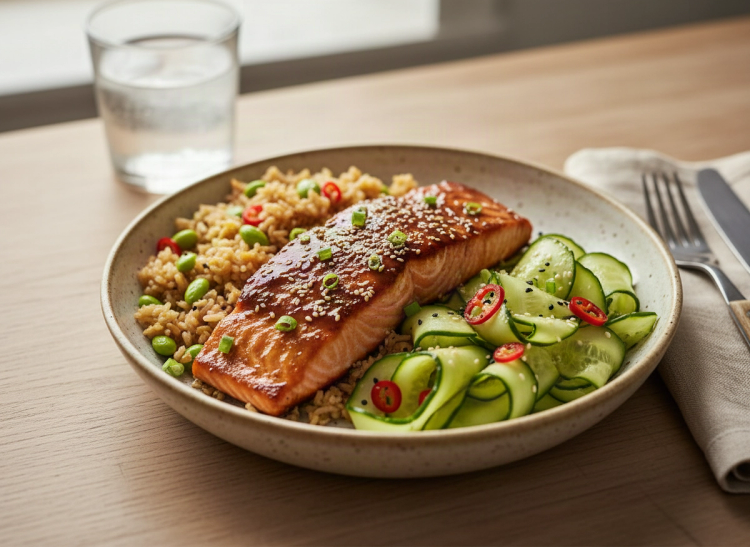
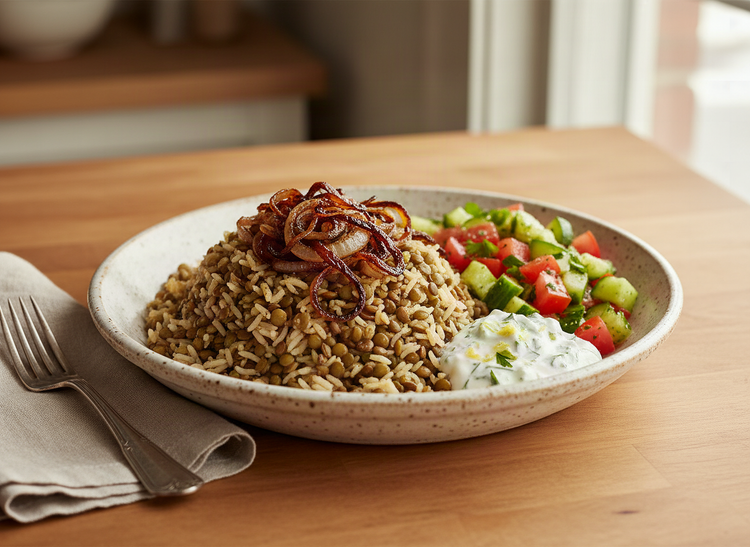
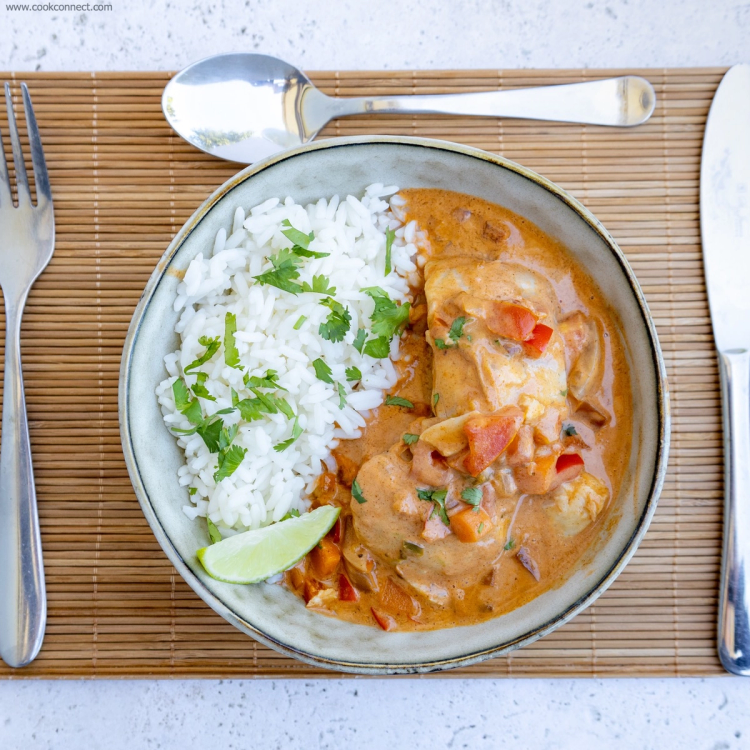
Folate, iron, zinc, and vitamin C — the preconception nutrition pattern backed by real research.
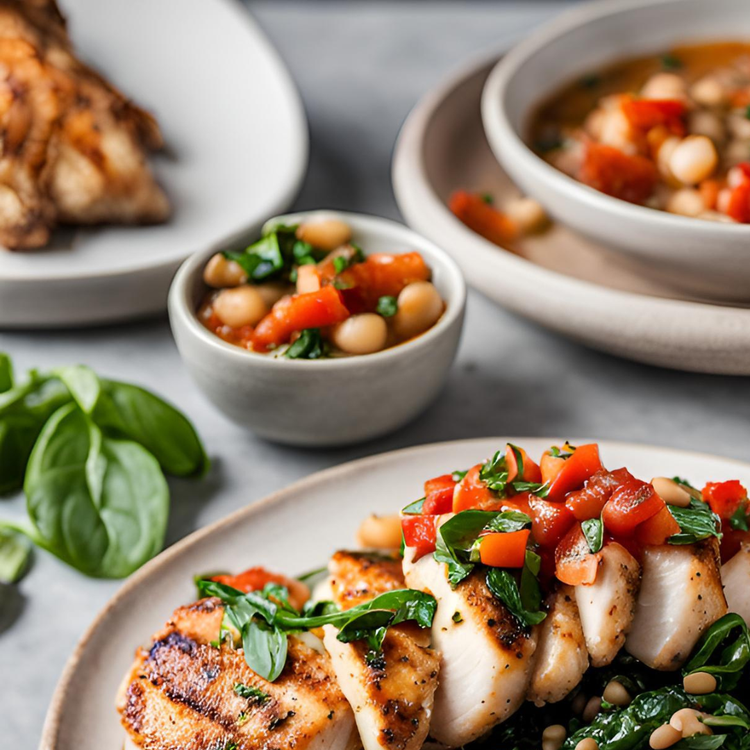
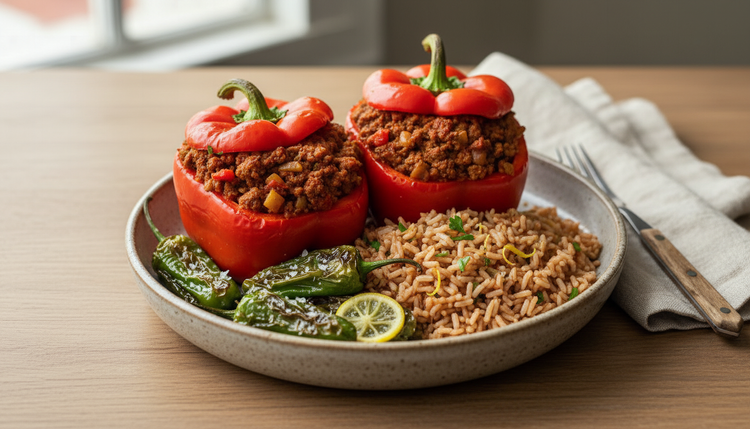
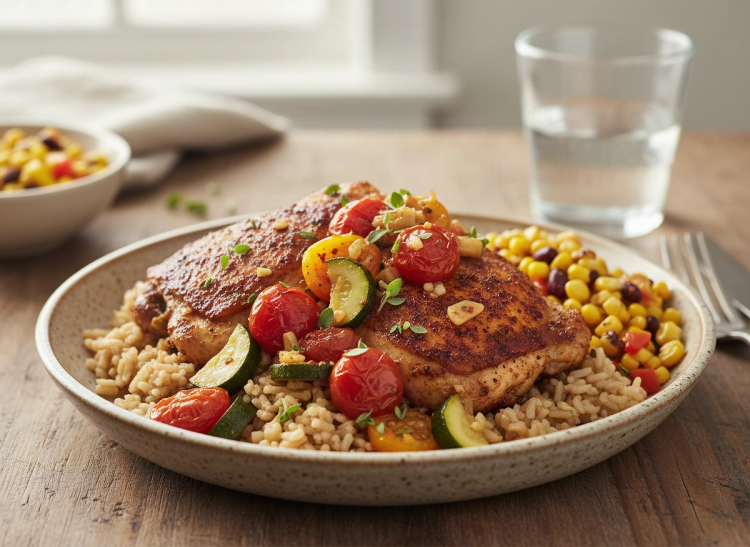
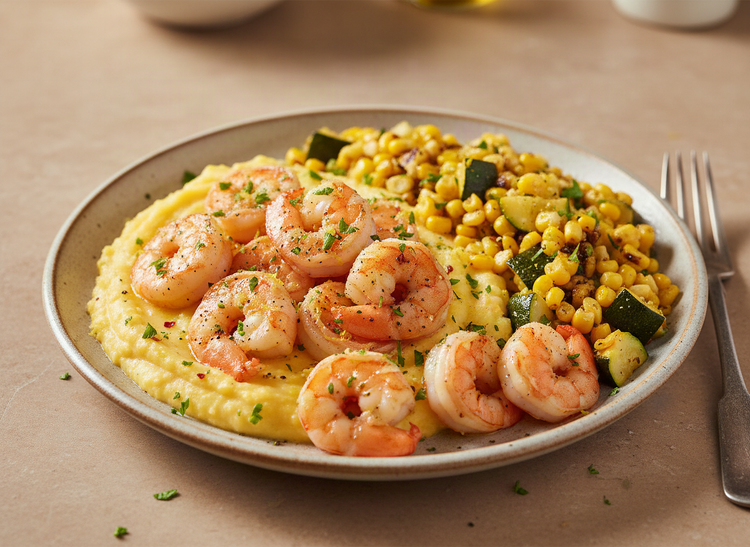
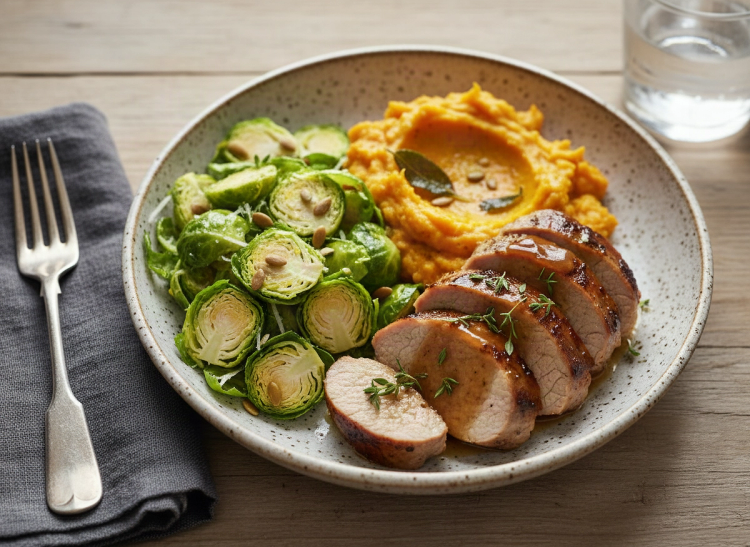
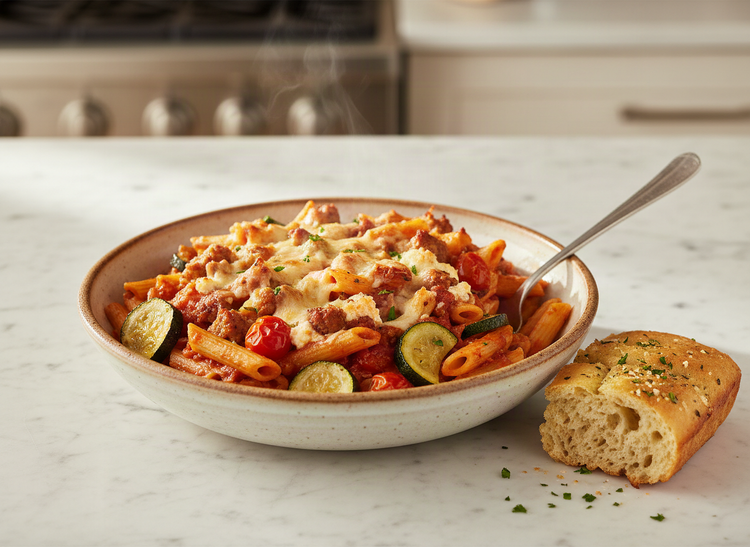
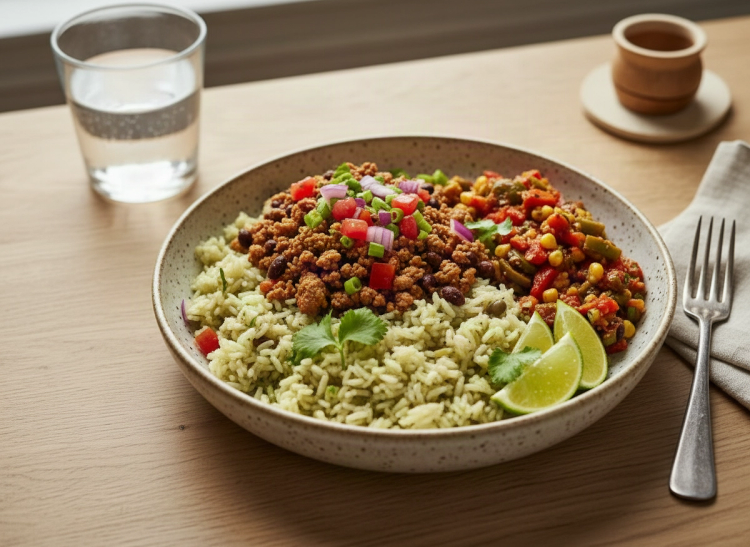
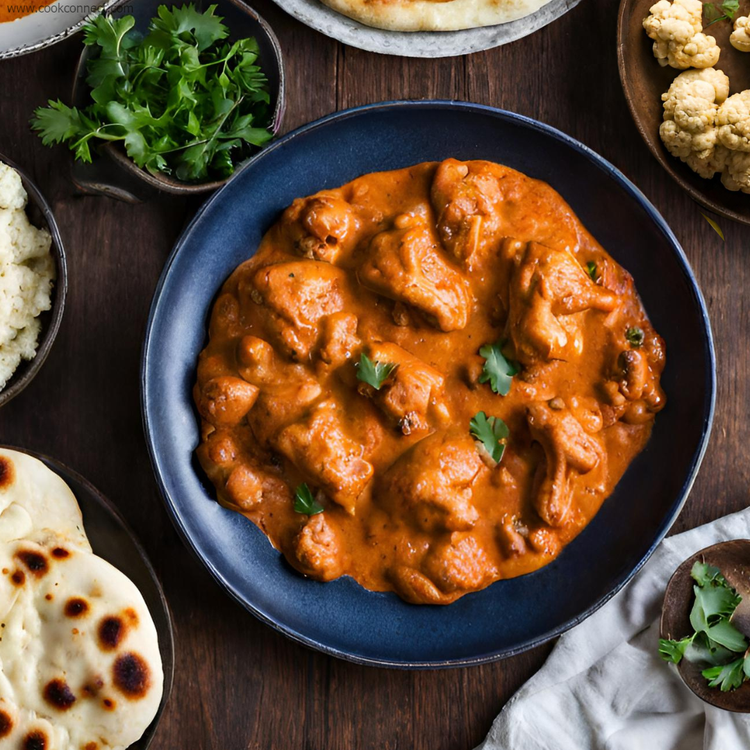
Learn morePreconception nutrition is one of the most evidence-backed interventions for reproductive health. Folate prevents neural tube defects and supports ovulation. Iron supports implantation and maternal blood volume. Zinc is required for follicle development and DNA replication. Vitamin C enhances absorption of non-heme iron from plant sources — pairing them is intentional. These dishes qualify for either fertility-friendly (all four above at the higher-end preconception target) or hormone-support (B6, magnesium, zinc, low sugar — the micronutrient profile behind steroid hormone regulation). The OR captures both the preconception-specific pattern and the broader hormone-regulation pattern that supports cycle health year-round. Whether you're actively trying, thinking about it, or optimizing cycle health for its own sake, this is the nutrient density the research points to.
The Harvard Nurses' Health Study and follow-up research identified a consistent pattern: adequate folate, iron from plant sources paired with vitamin C for absorption, and whole-food protein over processed meat correlates with improved ovulation and reduced infertility risk. Zinc deficiency is associated with reduced follicle development. These aren't supplements — they're food patterns that show up repeatedly in observational studies.
How these labels are calculated →
Fertility-focused meals, chef-prepared. Starting at $150/mo.