Nutrition
Metabolic Health Starts in Your Kitchen
Only 6.8% of American adults have optimal metabolic health. The most direct daily influence on your metabolic markers isn't a supplement or a doctor's visit, it's consistently eating home-cooked, real food.

Staff Writer
Key Takeaways
- Only 6.8% of American adults have optimal metabolic health
- The most direct daily influence on your metabolic markers isn't a supplement or a doctor's visit, it's consistently eating home-cooked, real food
Only 6.8% of American adults have optimal metabolic health—meaning 93% have at least one marker outside healthy ranges. Metabolic health functions as a daily construction project, built one meal at a time. Blood sugar, insulin sensitivity, energy levels, body composition, and cardiovascular risk stem almost entirely from habitual eating patterns—not from occasional choices.
What Metabolic Health Actually Means
The five core biomarkers that define true metabolic health
According to 2019 research, metabolic health requires five biomarkers to be simultaneously within optimal ranges without medication:
- Fasting blood glucose below 100 mg/dL
- Triglycerides below 150 mg/dL
Only 6.8% of U.S. adults are metabolically healthy
More than 9 in 10 adults have at least one metabolic marker outside the optimal range, even if they feel "fine" today.
2019 analysis of U.S. adults published in Metabolic Syndrome and Related Disorders
Foods That Directly Improve Metabolic Markers
Specific ingredients that move blood sugar, lipids, and blood pressure in the right direction
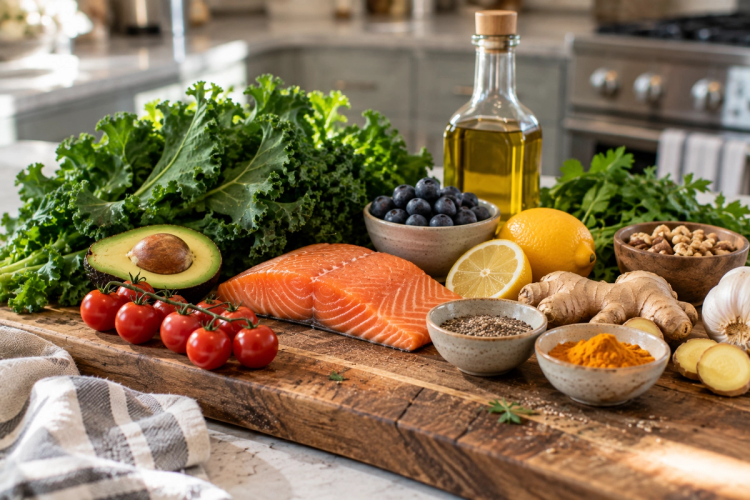
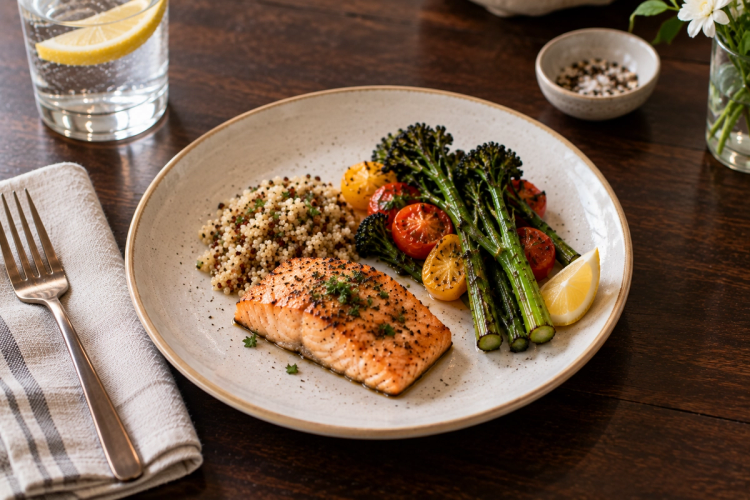
Fatty fish (salmon, cod, mackerel)
Omega-3 fatty acids reduce triglycerides, lower systemic inflammation, and improve insulin sensitivity. Two to three servings per week are consistently associated with better cardiovascular and metabolic outcomes.
Non-starchy vegetables (leafy greens, broccoli, cauliflower)
Fiber and polyphenols slow glucose absorption, feed the gut microbiome, and reduce post-meal blood sugar spikes. Filling half your plate with these at most meals is one of the most reliable ways to improve metabolic markers.
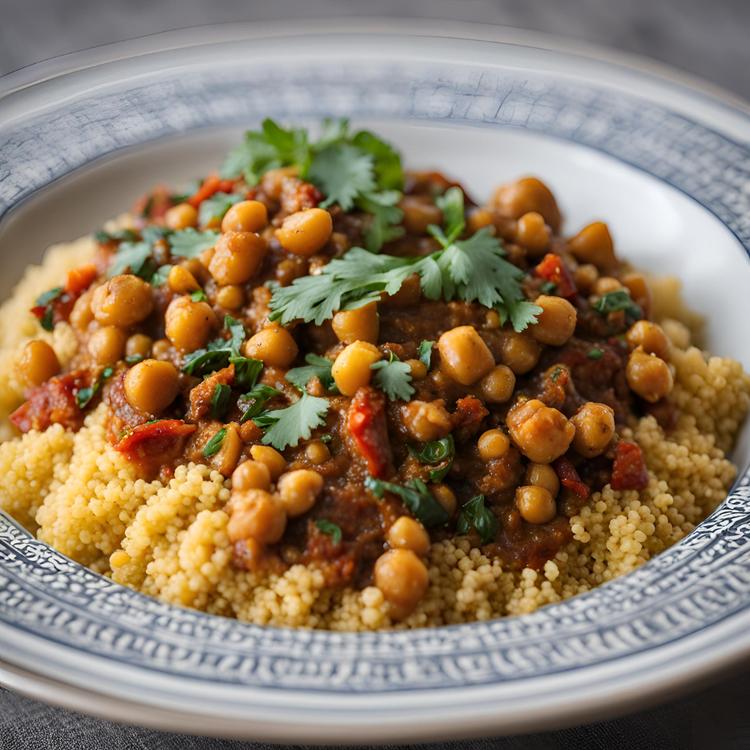
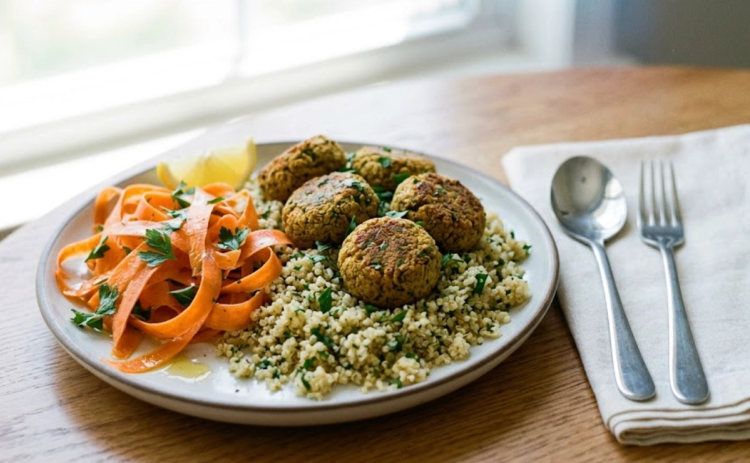
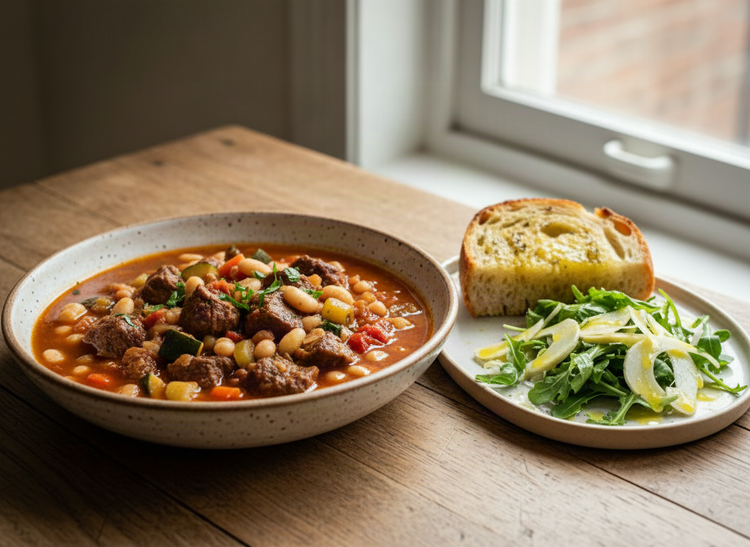
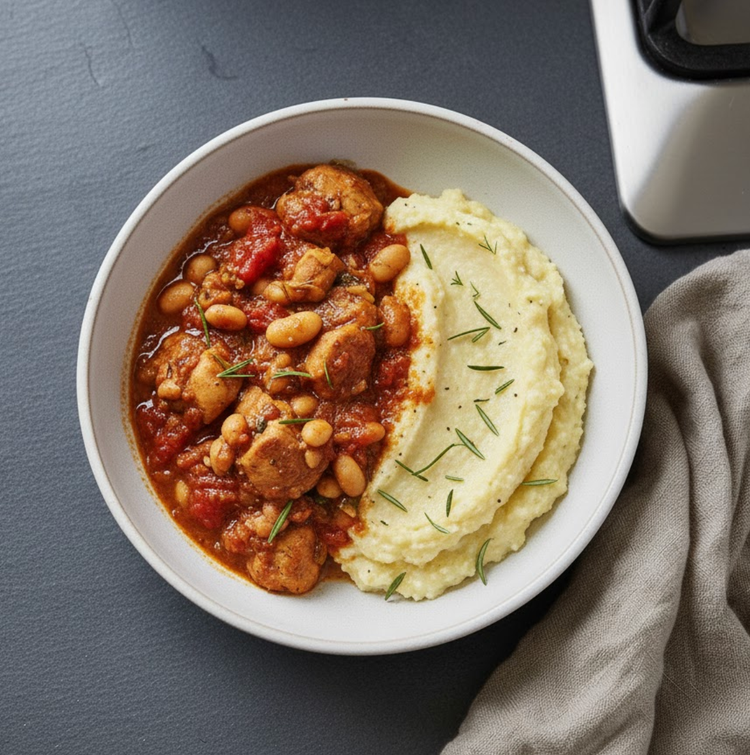
Legumes (lentils, chickpeas, black beans)
Low glycemic index, high fiber, and high protein make legumes powerful metabolic allies. One daily serving has been shown to meaningfully reduce LDL cholesterol and improve long-term blood sugar control.
Olive oil
Monounsaturated fats in extra-virgin olive oil improve HDL cholesterol and reduce LDL oxidation. The PREDIMED trial found that a Mediterranean diet supplemented with olive oil reduced major cardiovascular events by about 30% compared with a low-fat diet.
Build most of your meals around these pillars—protein, fiber-rich plants, and healthy fats—and your lab work will often follow.