Nutrition
Postpartum Nutrition Without the Mental Load: Real Food, Zero Planning
Your body just did something extraordinary. The last thing you need is to figure out dinner. Here's what new moms actually need to eat and how Livin makes it happen without a single decision from you.

Staff Writer
Key Takeaways
- Your body just did something extraordinary
- The last thing you need is to figure out dinner
- Here's what new moms actually need to eat and how Livin makes it happen without a single decision from you
Your body just ran a marathon. A long, complicated one that lasted nine months and ended in the hardest physical event of your life. And now you're supposed to figure out dinner.
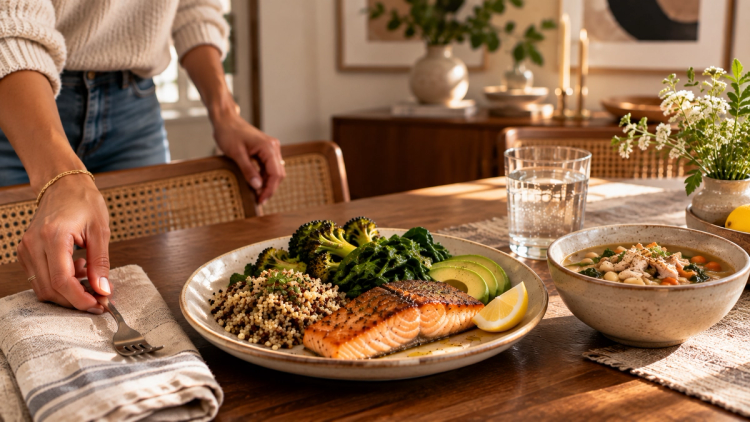
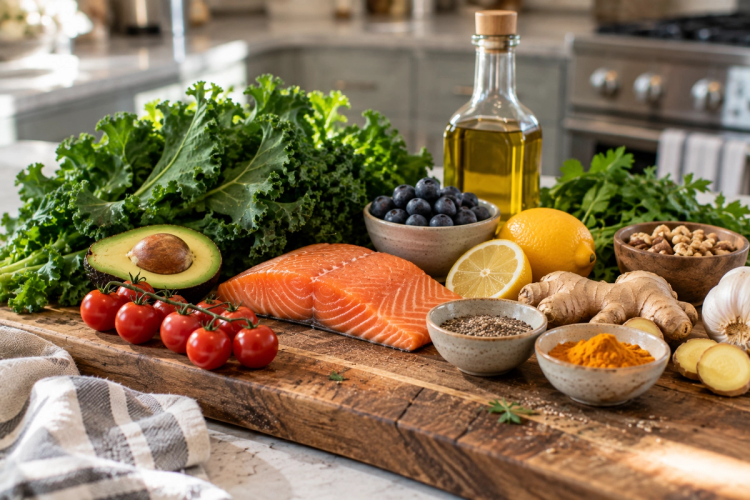
Not just any dinner. The right dinner. High in iron. Rich in omega-3s. Protein-forward. Anti-inflammatory. Good for your milk supply if you're nursing. And somehow on the table before you fall asleep sitting up.
Here's what we want to say: you don't have to do that alone.
What Your Body Actually Needs Right Now
The postpartum period depletes you in ways that go far beyond the obvious. Pregnancy transfers an estimated 10% of a mother's mineral stores to the growing baby, leaving new moms genuinely resource-depleted before they've even begun recovery.
Common postpartum nutrient deficiencies, including iron, omega-3 fatty acids, vitamin D, and folate, are associated with exhaustion, brain fog, mood swings, and in some cases, postpartum depression. These aren't personality changes. They're biological signals that your body needs fuel.
Research consistently links postpartum nutrition to maternal mental health. Deficiencies in key nutrients appear to increase the risk of postpartum depression and anxiety. The drop in estrogen and progesterone after delivery is dramatic; what you eat directly influences how your body produces serotonin and dopamine in the weeks that follow.
And yet most new moms are lucky to grab something in between feeds.
The Grab-and-Go Trap
Pediatricians and dietitians note that many postpartum mothers fall into a grab-and-go diet, eating whatever is fastest between feedings, skipping meals when the baby needs them more, running on caffeine and crackers. It's understandable. It's also the kind of nutritional pattern that makes the hard days harder.
Skipping meals raises cortisol, decreases milk production in nursing mothers, and deepens the fatigue cycle. The irony is that the less you eat, the less energy you have to figure out what to eat.
This is the spiral Livin interrupts.